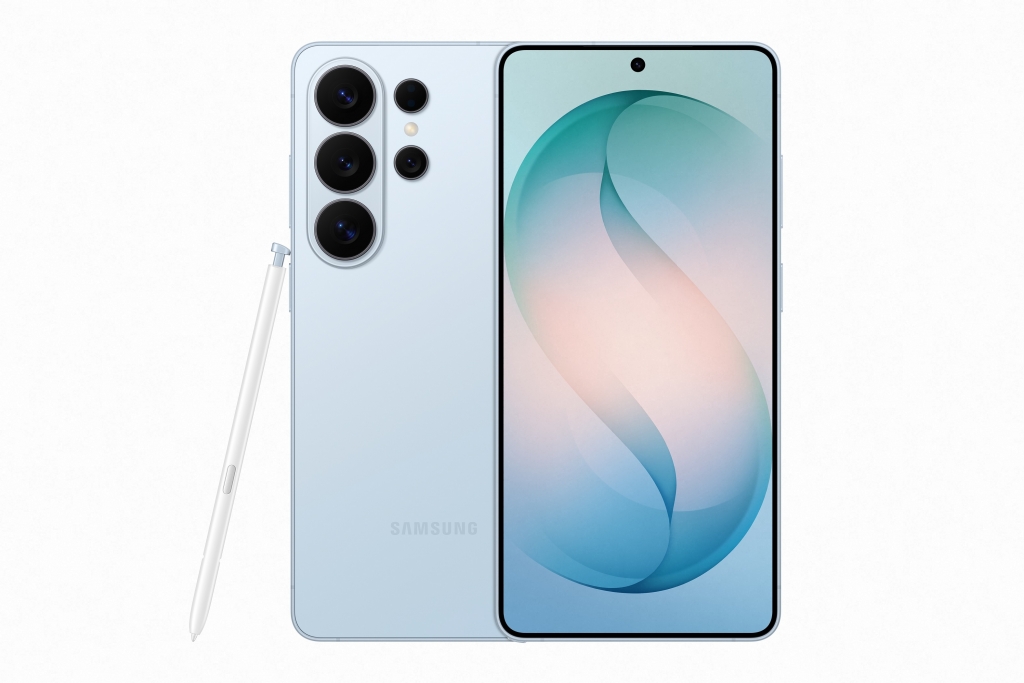
Samsung’s Galaxy S26 Ultra has emerged as the world’s best-selling Android smartphone, beating every other Android device in global sales during the second quarter of 2026 according to a report by Counterpoint Research.
The flagship ranked fourth overall, behind Apple’s iPhone 17, iPhone 17 Pro Max and iPhone 17 Pro, according to Counterpoint Research’s Global Handset Model Sales Tracker.
The result marks the first time an ultra-premium Android smartphone has led Android sales during a June quarter.
Samsung also placed five smartphones in the global top 10, matching Apple’s five-device representation and highlighting the two companies’ dominance of the smartphone market. Together, Apple and Samsung accounted for 26 percent of global smartphone unit sales in Q2 2026.
Galaxy S26 Ultra Climbs Five Places
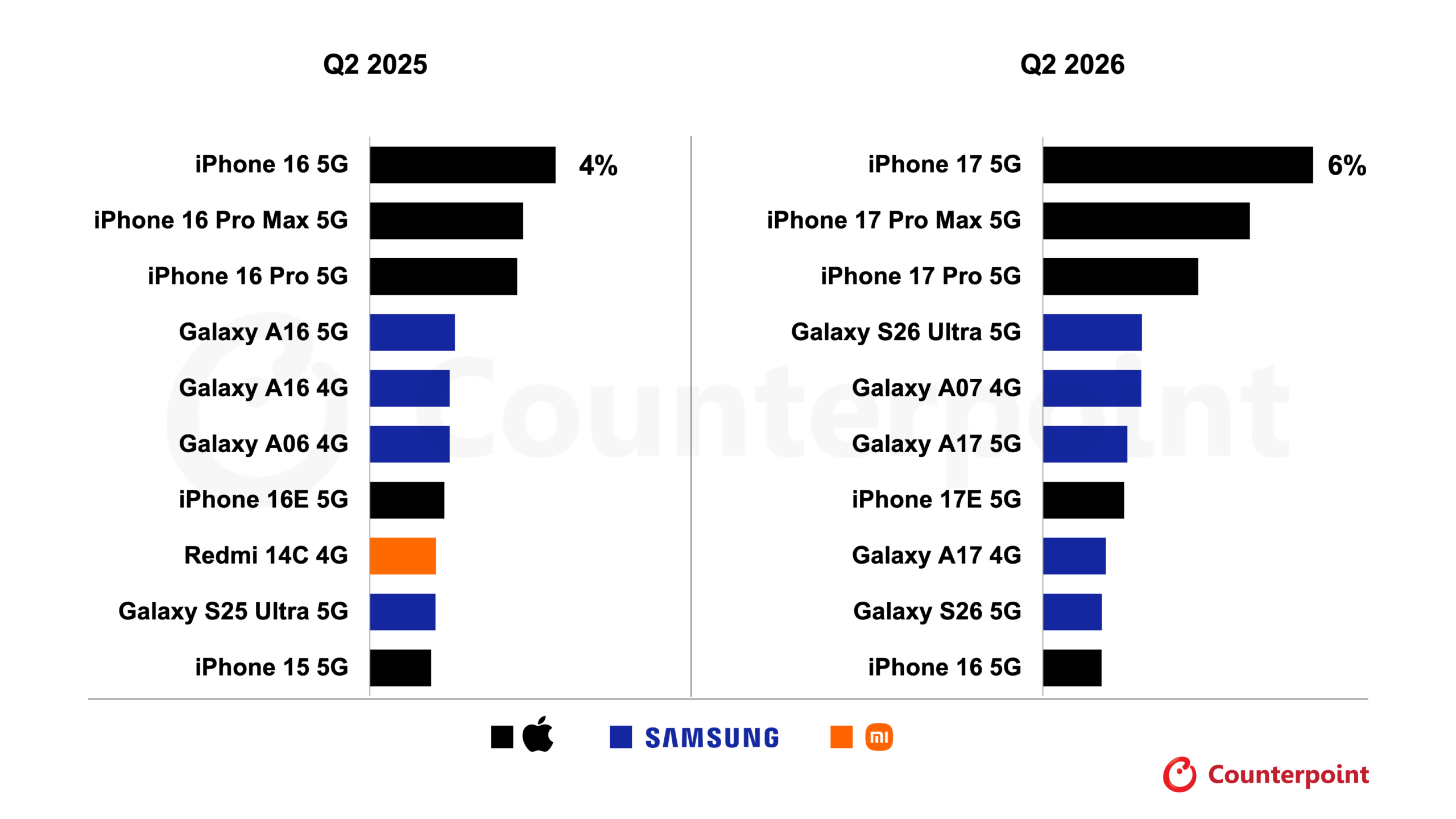
The Galaxy S26 Ultra’s fourth-place global ranking represents a major improvement for Samsung’s flagship line. Its predecessor, the Galaxy S25 Ultra, ranked ninth globally during the same quarter in 2025. The standard Galaxy S25 did not make the top 10 at the time.
Counterpoint said the Galaxy S26 Ultra accounted for more than half of all sales of the Galaxy S26 series during Q2.
The later launch of the Galaxy S26 series compared to the previous generation also helped shift more sales into the second quarter. Samsung launched the Galaxy S26 series in February, meaning a larger share of its sales fell within Q2 compared to the Galaxy S25 series.
The Galaxy S26 Ultra’s performance is notable because affordable Android smartphones typically dominate global sales rankings.
Samsung’s own Galaxy A series, however, also performed strongly during the quarter. The Galaxy A07 4G ranked fifth globally, while the Galaxy A17 5G took sixth place. The Galaxy A17 4G ranked eighth, while the standard Galaxy S26 came in ninth. This gave Samsung five places in the global top 10.
The company’s performance also shows that Samsung is maintaining strong demand at both ends of the smartphone market, with its flagship Galaxy S26 Ultra competing for premium buyers while the Galaxy A series continues to attract consumers looking for more affordable devices.
Apple Still Controls the Top of the Market
Despite Samsung’s strong performance, Apple remained ahead of the South Korean manufacturer in the overall smartphone rankings. The iPhone 17 was the world’s best-selling smartphone in Q2, accounting for 6 percent of global smartphone unit sales. Apple’s iPhone 17 Pro Max and iPhone 17 Pro followed in second and third place respectively, meaning Apple occupied the entire top three positions.
The Galaxy S26 Ultra therefore became the first Android phone in the ranking, but it still finished behind three Apple models. Apple also had the iPhone 17e and another iPhone model in the top 10, giving the company five positions overall.
Samsung Benefits as Smartphone Market Shrinks
Samsung’s performance comes at a difficult time for the wider smartphone industry.
Global smartphone shipments declined 11 percent year-on-year in Q2 2026, reaching the lowest level for a second quarter since 2013, according to Counterpoint Research. The decline has been linked largely to a global memory shortage that has pushed up the cost of DRAM and NAND components.
As manufacturers deal with higher production costs, many are concentrating resources on a smaller number of important models rather than spreading investment across large product portfolios.
Counterpoint said the top 10 smartphones accounted for 26 percent of global unit sales during the quarter, the highest contribution recorded for a June quarter.
For Samsung, the Galaxy S26 Ultra’s performance provides evidence that premium Android smartphones can still generate significant volumes even as consumers and manufacturers face higher prices.
The bigger challenge for Samsung will be maintaining that momentum as the memory shortage continues and Apple retains a strong grip on the premium smartphone market.