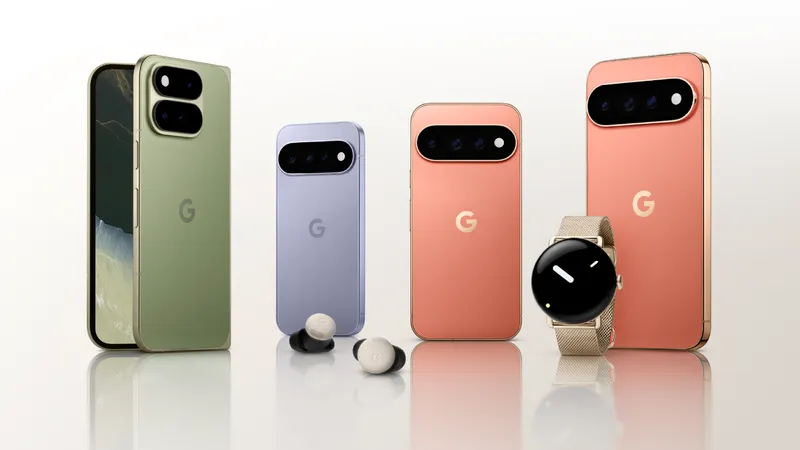
Google has officially unveiled its 11th-generation Pixel lineup, introducing the Pixel 11, Pixel 11 Pro, Pixel 11 Pro XL and Pixel 11 Pro Fold.
This year’s phones bring a new Tensor G6 processor, major camera upgrades, brighter displays on the Pro models, improved durability and several new Gemini-powered features.
Google is also keeping one of the best things about the Pixel lineup: seven years of operating system, security and Pixel Drop updates.
The Pixel 11 starts at $899, while the Pixel 11 Pro, Pixel 11 Pro XL and Pixel 11 Pro Fold start at $1,099, $1,299 and $1,899 respectively. All four phones start at 256GB of storage.
Pre-orders start today, August 12, with the phones going on sale on August 20.
Google Pixel 11
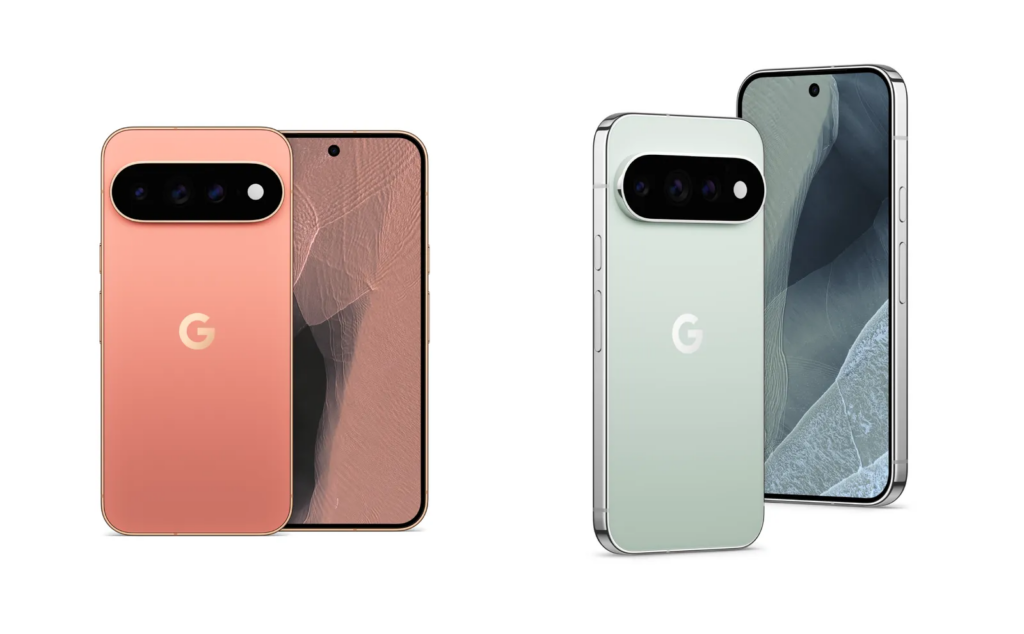
The regular Pixel 11 is probably the most interesting phone in the lineup for one reason: Google has finally given the cheaper model a meaningful camera upgrade.
The Pixel 11 gets a new 48MP main camera sensor that captures 56% more light than the previous generation. That is a much more useful upgrade than simply increasing the megapixel count, particularly for the low-light photography Pixel phones are already known for.
Google has also improved the 5x telephoto camera, which can now reach 30x Super Zoom with the help of Tensor G6.
Whether anyone should actually be excited about 30x zoom is another question. Smartphone manufacturers love putting huge numbers on zoom capabilities, but the useful part of that range is what matters. Still, getting better results from the 5x telephoto camera is a worthwhile upgrade.
The design has also been cleaned up. Google has reduced the thickness of the camera bar by 40%, which should make the phone less awkward when placed on a flat surface. It is a small change, but one that addresses an actual annoyance rather than inventing a problem for a marketing slide.
The Pixel 11 has an Actua display and comes in Pistachio, Hibiscus, Frost and Obsidian.
It also gets Pixelsnap and 25W Qi2.2 wireless charging. The charging upgrade is welcome, although Google is hardly setting the smartphone world on fire with 25W wireless charging in 2026.
Overall, the regular Pixel 11 looks like a sensible upgrade over the Pixel 10, particularly for photography. It is not a radical redesign, but at least Google has not simply changed the processor and called it a new phone.
Google Pixel 11 Pro and Pixel 11 Pro XL
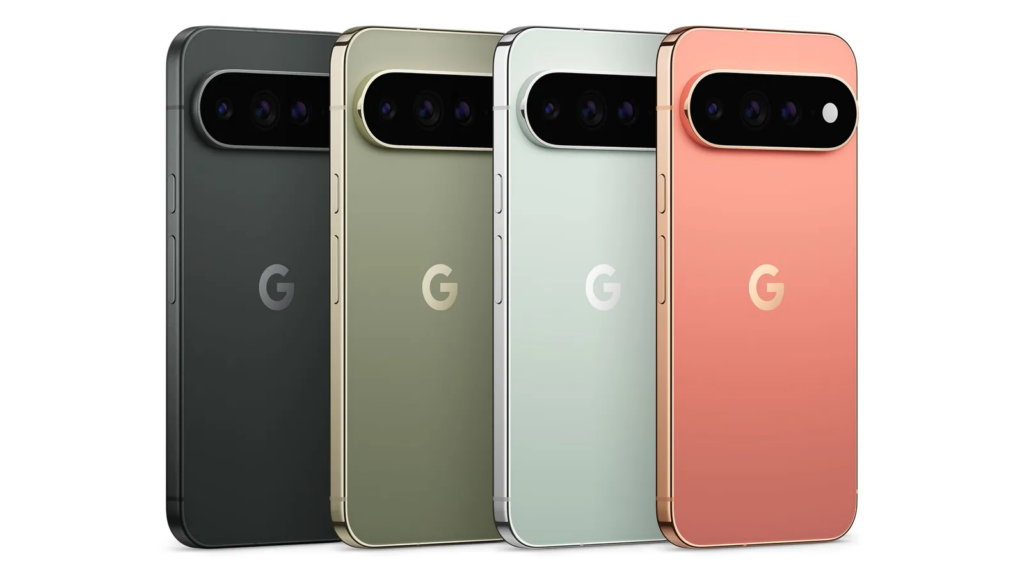
The Pixel 11 Pro and Pro XL are where Google is making its biggest attempt to compete with Korea’s best, Samsung’s top-end Galaxy phones or the Chinese competitors, which include OPPO, vivo, Xiaomi and Huawei.
Both phones now have Super Actua displays reaching up to 3,600 nits, making them the brightest Pixel displays yet. Google has also added a new anti-scratch coating that it claims provides more than twice the scratch resistance of the previous generation.
This is one of those upgrades that sounds boring until you have owned an expensive phone for a year and watched the display accumulate tiny scratches. So, yes, this is actually useful.
The phones are available in Canyon, Fog, Olive and all-matte Obsidian and start at 256GB.
The cameras are where the Pro models get their biggest upgrade.
Google has introduced a new main camera sensor, while the 48MP telephoto camera gets a larger sensor with 30% more light sensitivity. Portrait Mode now works at 5x zoom, and Google’s Pro Zoom can reach 120x.
Again, 120x is largely a marketing number. Nobody should buy the Pixel 11 Pro because they intend to take beautiful photographs at 120x. The important part is that the hardware and image processing should make the more realistic 5x, 10x and 20x ranges better.
Google has also made Night Sight up to 4.5 times faster. That should matter more in everyday use than the 120x headline.
The Pro phones also introduce HiLight, which uses coloured LEDs around the camera flash to provide notifications without lighting up the display. It can show different patterns when Gemini is listening, thinking or responding, and users can assign colours to calls from specific contacts. HiLight is a surprisingly sensible addition. It is one of those features that sounds unnecessary until you realise that a phone can tell you something without demanding your attention by lighting up a six-inch screen.
The Pixel 11 Pro XL also gets faster wired charging, with Google claiming that 15 minutes of charging can provide up to 15 hours of battery life.
The Pro and Pro XL therefore look less like a cosmetic refresh and more like Google addressing some of the areas where its flagship phones have lagged behind the competition.
Google Pixel 11 Pro Fold
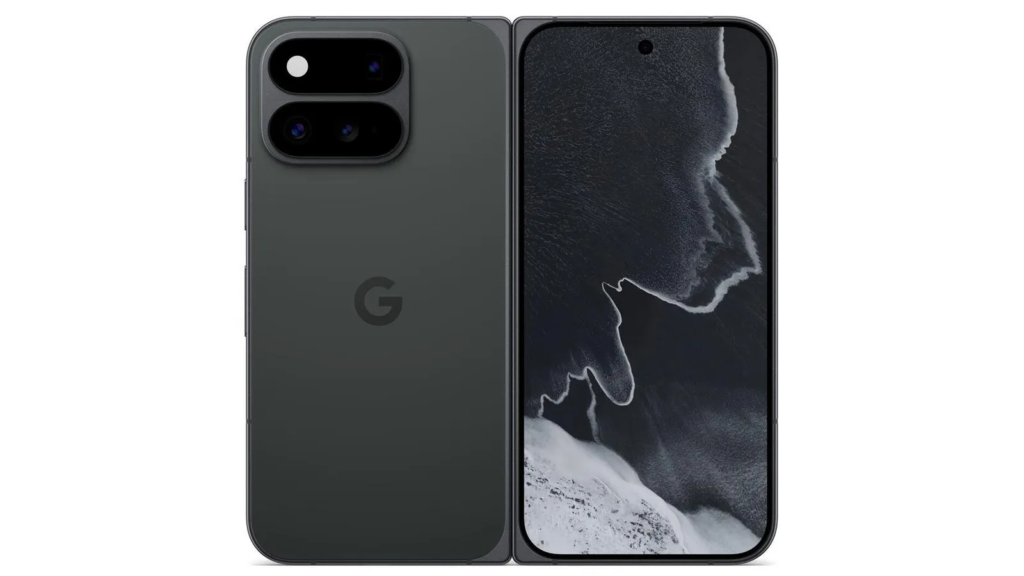
The Pixel 11 Pro Fold is the phone that has received the most obvious physical changes.
It is almost 10% lighter and about 1mm thinner than the Pixel 10 Pro Fold, while also getting thinner bezels.
That may not sound dramatic, but weight and thickness are two of the biggest problems with foldables. A foldable that feels like carrying a small tablet in your pocket defeats some of the point of having one. Making the Pro Fold lighter and thinner is therefore probably more important than whatever new AI feature Google has added this year.
Google has also gone after durability.
The Pixel 11 Pro Fold retains IP68 protection and gets a new glass fibre composite back, a gearless hinge and stronger glass on the outer display.
Google claims the new phone is three times more durable than the previous generation.
That claim will need to survive real-world use before anyone should take it too seriously, but the direction is right. Foldables have spent years asking consumers to accept that they are more fragile than conventional smartphones while charging them considerably more for the privilege.
The new hinge is also supposed to improve the crease, while both displays now reach 3,600 nits, a 20% increase over the previous generation.
The Pro Fold also gets HiLight around the camera bar, bringing the notification system from the regular Pro phones to the foldable.
Inside, there is Tensor G6 and 16GB of RAM. Google has also added several features that actually make sense on a large folding display, including improved app bubbles, Split Screen, Drag and Drop and Instant View.
One particularly interesting addition is sign-to-text functionality developed with the Deaf community. Users can sign into the front camera using American Sign Language, with translations appearing on the outer display through Live Transcribe and Gboard.
The camera system gets a new 48MP main sensor and a telephoto camera capable of 30x Super Zoom. Google has also added Magic Capture and Camera Looks for capturing and customizing photographs.
Charging has been upgraded to 30W wired, with 50% charge in around 30 minutes, while wireless charging reaches 25W through Qi2.2.
The Pro Fold starts at $1,899, which remains the biggest problem with it.
Google has made a considerably better foldable here, but it is still asking consumers to pay more than twice the price of the regular Pixel 11. That makes the Pro Fold a device for people who specifically want a foldable, rather than a phone that can be recommended to someone simply looking for the best Pixel.
Google Tensor G6
The Tensor G6 is Google’s new processor across the entire Pixel 11 lineup.
Google says the chip has 50% more TPU compute than the previous generation, with on-device AI tasks running up to 3.5 times faster while using up to 3.5 times less energy.
The CPU is also claimed to deliver 25% faster web browsing and 15% quicker app launches.
The important thing here is that Google is not really trying to win the traditional processor arms race with Tensor. It is building a chip around the things it wants Pixel phones to do, particularly AI and computational photography.
That approach has worked reasonably well for Pixel cameras, but Tensor has also spent years being criticised for performance and efficiency compared with Qualcomm’s flagship Snapdragon chips.
If Google’s claimed efficiency improvements translate into better battery life and faster AI features in actual use, this could be the Tensor generation that finally addresses one of the biggest criticisms of Google’s custom silicon.
The chip is paired with Google’s Titan M3 security chip, which also introduces post-quantum cryptography for secure boot.
Still, this chip is not going to scare the Snapdragon 8 Gen 5 or the Apple A series of chips any time soon.