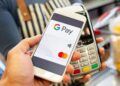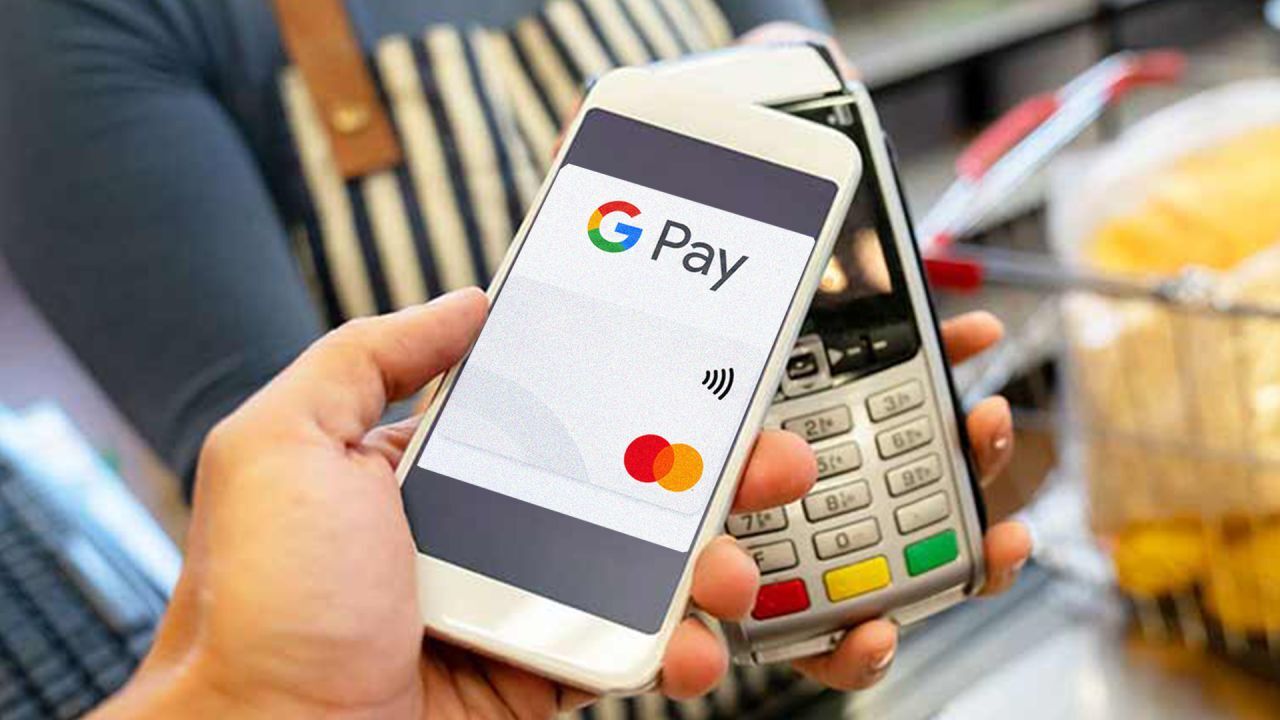
Google Pay appears to have finally arrived in Kenya, although there is a little more to the story than simply downloading Google Wallet and tapping your phone at any payment terminal.
Nancy Kilimo, Head of Card Centre at Diamond Trust Bank (DTB), has confirmed that she successfully made a payment using her DTB card through Google Wallet. In a LinkedIn post, Kilimo said her card had been enrolled as part of a pilot, manually provisioned through Mastercard and successfully used for a transaction without the physical card. The transaction is significant because it provides a real-world example of a Kenyan-issued card being used for Google Wallet contactless payments, rather than merely Google Pay being available as an online checkout option.
Google’s own documentation already lists Kenya among the countries where Google Pay can be used for payments on participating websites and apps. However, Google treats online payments and contactless payments as separate features, which is where things get interesting. Google’s list of supported countries currently includes Kenya for online and in-app Google Pay payments. Its Google Wallet documentation explains that Wallet can also be used for tap-to-pay, but only where the country and payment method are supported.
That distinction matters because Google Wallet’s contactless functionality depends on individual banks and card issuers supporting their cards. Google explicitly says that a bank decides whether its cards work with Google Wallet and can restrict particular cards from mobile payments. Google’s support documentation on supported payment methods also says users need an NFC-enabled Android phone for contactless payments.
Kilimo’s experience therefore appears to show that at least one Kenyan card has crossed that final hurdle. She described the process as a pilot in which her Mastercard was provisioned into Google Wallet and then successfully used to make a payment. In other words, this is not just a theoretical Google Pay button appearing on a Kenyan website. A physical Kenyan payment card was digitised and tokenised and then used from a phone at a merchant.
The technical process is fairly straightforward from the customer’s perspective but involves several systems behind the scenes. The card is provisioned into the wallet and replaced by a token rather than simply exposing the physical card details. The wallet, Mastercard network, issuing bank and merchant’s payment terminal then work together to authorise the transaction. Google says that once a supported card has been added, users can unlock their phone and hold it near a compatible contactless terminal to pay. Google’s guide to tap-to-pay explains that NFC must be enabled and Google Wallet must be set as the phone’s default NFC wallet.
There is also evidence that Google Pay has already been entering Kenya through the online payments side. Payment infrastructure providers have been adding Google Pay as a payment option for Kenyan customers, while payment coverage listings for Kenya now include both Google Pay and Google Wallet alongside Visa, Mastercard and other payment methods. Unlimit’s Kenya payment-method listing currently lists Google Pay among the available card payment options.
What we do not yet have is confirmation that every major Kenyan bank has opened Google Wallet support to all of its customers. Kilimo specifically described her card as being part of a pilot, which suggests the rollout is still being phased in rather than being a universal switch that has suddenly been flipped for every Kenyan Mastercard and Visa.
That is also consistent with how Google handles Wallet internationally. The company does not simply make every card in a supported country work automatically. Google says banks determine which cards can be used with Google Wallet, meaning a country can support contactless Wallet payments while individual cards remain unsupported.
For Kenyan Android users, the practical test is therefore simple. If you have an NFC-enabled Android phone and a Kenyan card from a participating issuer, try adding the card to Google Wallet. If Google accepts the card and completes the verification process, you should be able to use the phone at a contactless terminal. If the card cannot be added, that does not necessarily mean Google Pay is unavailable in Kenya. It could simply mean that your bank or particular card has not been enabled yet.
The development is particularly notable because Kenya already has one of the world’s most established mobile-money ecosystems. M-Pesa has made paying with a phone completely normal for millions of consumers, while banks have increasingly been experimenting with contactless cards, wearable payments and other ways of removing the physical card from the transaction.
DTB itself has already moved in this direction. The bank launched Mastercard-powered NFC wearables in Kenya earlier this year, giving customers another way to make contactless payments without physically presenting a bank card. Details of the DTB wearable payment rollout show how Mastercard’s tokenisation infrastructure is increasingly being used to put Kenyan payment credentials into different devices.
Google Pay’s arrival therefore is not really about replacing M-Pesa. It is another layer in Kenya’s increasingly complicated payments ecosystem, this time allowing people to take an existing debit or credit card and use it directly from an Android phone.
For now, Nancy Kilimo’s successful transaction is the clearest public evidence that Google Wallet contactless payments are actually working with at least some Kenyan-issued cards. The bigger story will be when Kenyan banks move from pilots to broad customer support and publish which cards can be added.
So yes, Google Pay is here in Kenya. But if your bank card refuses to join the party, that probably means the rollout has not reached your particular card yet.