Google is preparing to make support for foldable phones a requirement for Android apps distributed through the Play Store, giving developers until April 2027 to ensure their applications work properly across different screen sizes, orientations and device configurations.
Under the new rules, apps will need to meet at least Tier 3 of Google’s adaptive app quality guidelines. Those that fail to meet the minimum standard will no longer be allowed to publish new versions or updates on Google Play and could receive reduced visibility in the store.
The changes reflect Google’s growing focus on large-screen Android devices. The company says there are now more than 580 million large-screen devices across the ecosystem, including foldables and tablets. As premium foldables become more common, Google wants developers to stop treating the larger inner display as an afterthought.
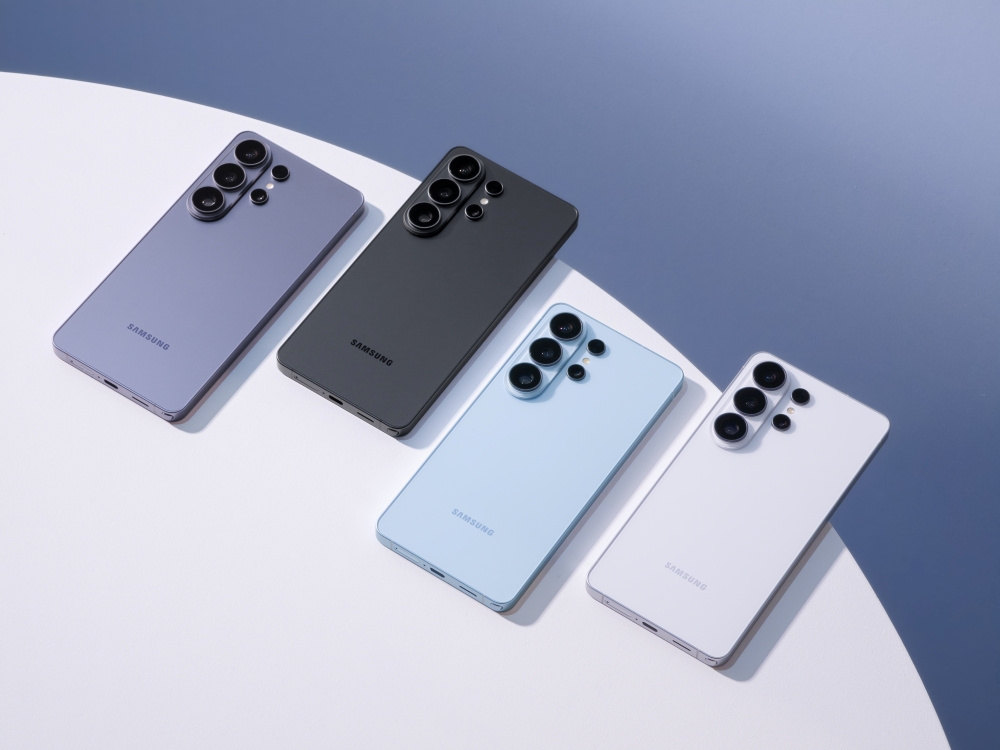
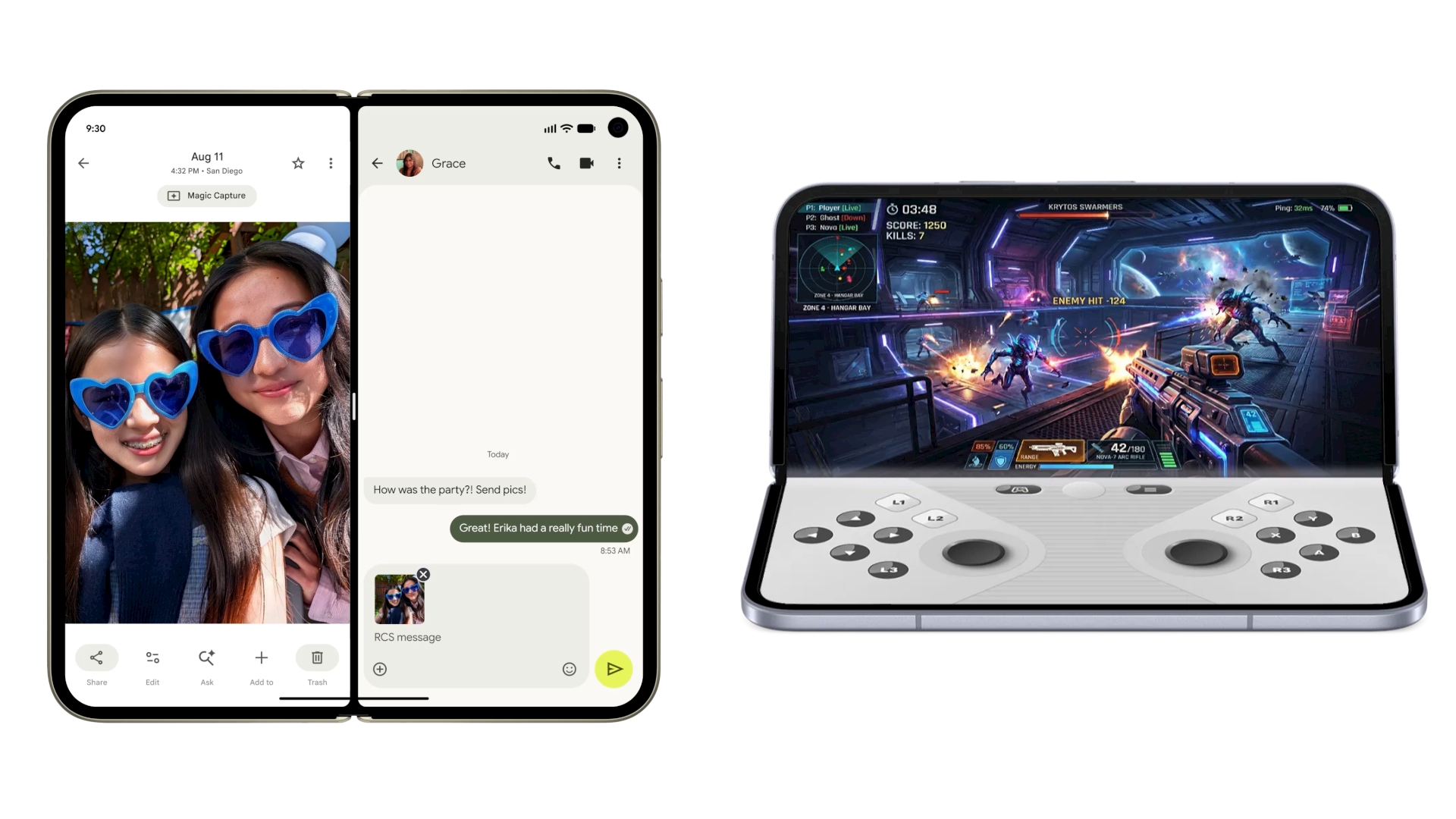
This is particularly relevant as manufacturers experiment with different foldable designs and aspect ratios. Samsung’s latest Galaxy Z Fold8 lineup is one example of how varied these displays are becoming.
What Google expects from Android apps
The first requirement is that applications must use the available display space without black bars, letterboxing or compatibility modes that leave parts of the screen unused.
Apps must also preserve their state when users fold or unfold their devices, rotate the display or resize application windows. This includes retaining scroll positions, text entered into forms and ongoing media playback. Support for multi-window environments is also mandatory.
Google has organised its standards into three tiers. Tier 3, which becomes compulsory in April 2027, establishes the minimum expected experience. Tier 2 introduces more advanced layouts, including multi-pane interfaces and better support for external keyboards, mice and styluses.
Tier 1 goes further by evaluating experiences designed specifically for foldables, including tabletop and book postures, camera continuity, picture-in-picture and multi-instance support.
Developers that meet the higher standards can apply for Google Play badging and enhanced merchandising opportunities, potentially giving their applications more visibility.
Google Play will require foldable screenshots
Google is also changing what developers must submit when publishing apps. Starting April 2027, new apps and updates will need to include three screenshots captured on foldable devices, in addition to the existing two standard phone screenshots.
These images should demonstrate how an application looks on both folded and unfolded displays. Google has outlined requirements covering standard phone landscape displays, foldables with square 1:1 inner screens and devices with 4:3 inner displays.
Developers can already upload the screenshots through Google Play Console, under Grow, Store presence and Store listings. They can capture them using physical devices or compatible Android Emulator configurations.
More Android restrictions are coming
April 2027 is not the final stage of Google’s changes. By August 2027, new apps and updates will also need to target API level 37, corresponding to Android 17.
This will remove developer opt-outs for certain orientation and resizability restrictions on large screens, making it harder for applications to remain locked to a particular orientation or prevent users from resizing them.
Google is encouraging developers to start reviewing their applications using its adaptive app design resources, quality guidelines and testing tools.
Importantly, applications that developers leave untouched after the April 2027 deadline will remain downloadable. However, they will not be able to receive updates unless they meet the new requirements.