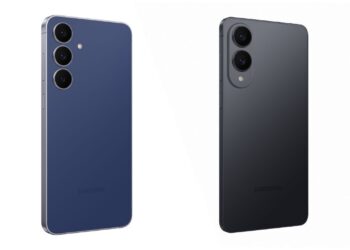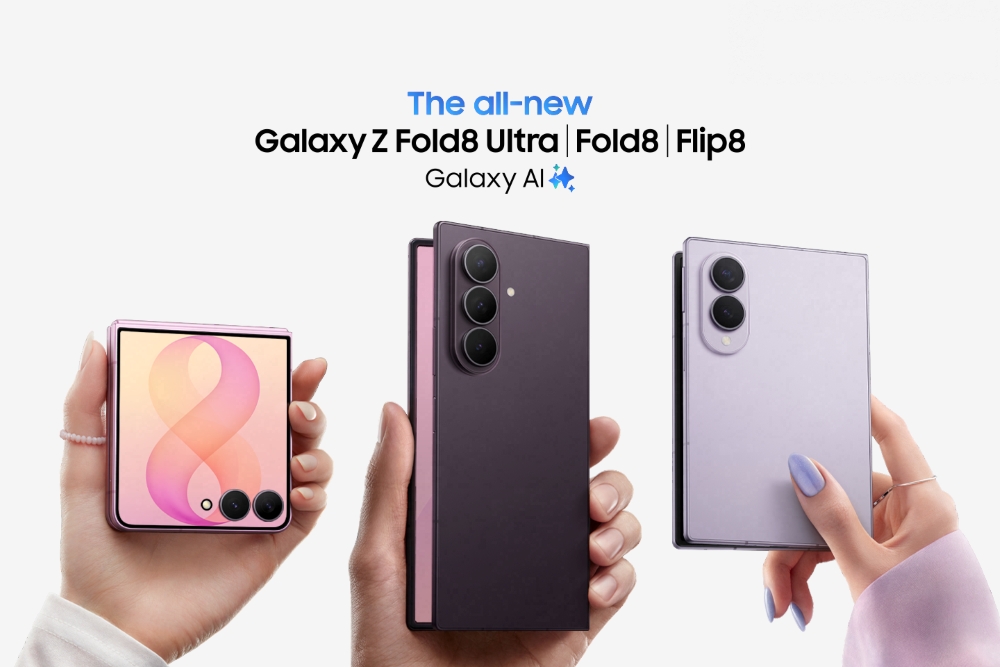
Samsung has officially unveiled its 2026 foldable lineup, and for the first time, the Galaxy Z family now has three distinct members: the Galaxy Z Fold8 Ultra, Galaxy Z Fold8 and Galaxy Z Flip8.
The new lineup is Samsung’s clearest attempt yet to cover almost every corner of the foldable market. There is the new Galaxy Z Fold8 Ultra for users who want the biggest screen, the best cameras and the most powerful hardware Samsung can put into a foldable. There is the regular Galaxy Z Fold8, which takes the traditional Fold design in a different direction, and then there is the Galaxy Z Flip8, which is a more familiar evolution of Samsung’s compact clamshell.
The biggest story, however, is clearly the Galaxy Z Fold8 Ultra.
This is the first time Samsung has used the Ultra branding on a Galaxy Z Fold device, and its arrival feels particularly interesting given the long-running rumours that Apple is preparing its own high-end foldable iPhone.
Samsung has not explicitly said that the Fold8 Ultra exists because of Apple. Still, the timing and positioning are difficult to ignore. The company is effectively putting its most premium foldable forward before Apple even enters the category, giving consumers a larger, more powerful and more camera-focused alternative at the very top of the foldable market.
Samsung has also made an interesting decision with the regular Fold8. Rather than simply making the existing Fold thinner and faster, the company has redesigned the phone around content consumption, giving it a much wider 4:3 main display when unfolded.
Galaxy Z Fold8 Ultra: Samsung finally gives its Fold the Ultra treatment
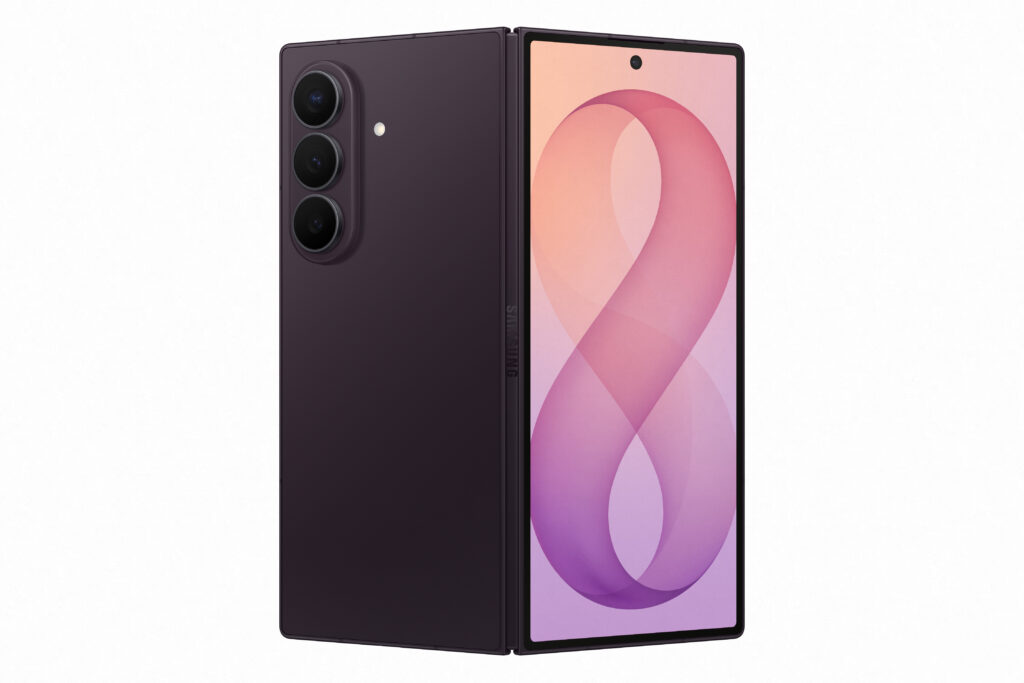
The Galaxy Z Fold8 Ultra is the most significant addition to Samsung’s foldable lineup this year. As the first Ultra-branded Galaxy Z device, it is designed to deliver the kind of hardware traditionally associated with Samsung’s top-end Ultra smartphones, but in a foldable form. Funny enough, Samsung just upgraded the previous Fold design with the Ultra name
The device has an 8-inch QXGA+ Dynamic AMOLED 2X main display with a 2,504 x 2,256 resolution, 422ppi and a 1-120Hz adaptive refresh rate. On the outside is a 6.5-inch FHD+ Dynamic AMOLED 2X cover display with a 1,080 x 2,520 resolution and the same 1-120Hz adaptive refresh rate.
The Fold8 Ultra is also Samsung’s slimmest Z Fold yet, measuring just 4.1mm when unfolded and weighing 215g. It uses Samsung’s new Flex Titanium display structure, which combines a titanium-alloy film with an enhanced titanium plate to improve durability, absorb pressure and reduce the visibility of the crease over time.
The main display reaches up to 3,000 nits of brightness and features Vision Booster and a low-reflection finish, which should make it easier to use outdoors.
Under the hood, the Fold8 Ultra runs on Qualcomm’s Snapdragon 8 Elite Gen 5 Mobile Platform for Galaxy. It comes with up to 16GB of RAM and 1TB of storage, with 12GB RAM variants available with 256GB and 512GB of storage.
The battery is rated at 5,000mAh, with 45W wired charging capable of reaching up to 67 percent in around 30 minutes under Samsung’s testing conditions. It also supports 20W wireless charging and Wireless PowerShare.
The camera setup is where the Ultra branding becomes particularly obvious. The Fold8 Ultra features a 200MP main camera with OIS and 2x optical-quality zoom, a 50MP ultra-wide camera and a 10MP telephoto camera with 3x optical zoom.
Samsung has also added HDR support to 200MP photography, improved Nightography and 8K video recording using the APV codec. Creators also get Cine LUT for more advanced colour and tone control.
The phone also introduces a larger graphite cooling structure designed to dissipate heat more effectively during demanding workloads.
Samsung is positioning the Fold8 Ultra as a productivity and content creation machine. Its larger 8-inch display is designed for multitasking, while Galaxy AI features such as Now Nudge and Gemini Intelligence are intended to make the large screen more useful rather than simply larger.
And this is where the Fold8 Ultra gets particularly interesting. Samsung now has a dedicated premium foldable that can sit at the top of its smartphone lineup in the same way the Galaxy S Ultra does. With Apple reportedly preparing its first foldable iPhone, Samsung appears to be making sure that it has a flagship response ready before Apple’s foldable even arrives.
Galaxy Z Fold8: A completely new shape for Samsung’s regular Fold
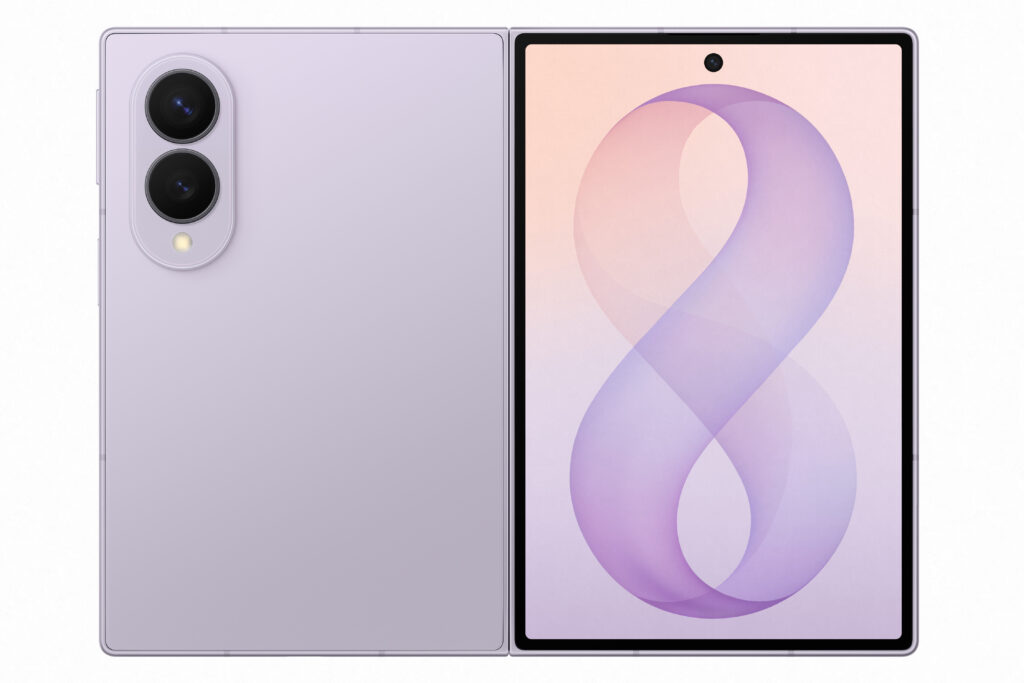
The regular Galaxy Z Fold8 is not the Ultra model with a few features removed. Samsung has taken the standard Fold in a different direction entirely.
The biggest change is the form factor. When unfolded, the Fold8’s 7.6-inch QXGA+ Dynamic AMOLED 2X display has a 1,848 x 2,448 resolution and, crucially, a 4:3 aspect ratio. Samsung says this is intended to make the phone more natural for watching videos and playing games.
Rotate the device and that same display effectively becomes a 3:4 layout, which Samsung believes is better suited to reading e-books and browsing the web.
The 5.5-inch cover display has a 1,248 x 1,972 resolution and a 10:16 aspect ratio, giving it a more familiar shape for messaging, browsing, social media and short-form video.
The Fold8 weighs 201g, making it Samsung’s lightest Galaxy Z Fold yet. It measures 4.5mm thick when unfolded and 9.7mm when folded.
Samsung has also introduced its Flex Titanium display technology to the Fold8, alongside a 3,000-nit main display, Vision Booster and a low-reflection finish.
The phone is powered by the Snapdragon 8 Elite Gen 5 Mobile Platform for Galaxy and comes with up to 16GB of RAM and 1TB of storage. The battery is rated at 4,800mAh, with 45W wired charging, 20W wireless charging and Wireless PowerShare.
The camera setup is a notable departure from the Ultra. The Fold8 has a 50MP main camera and a 50MP ultra-wide camera on the rear, while the cover and main displays each have 10MP selfie cameras.
Samsung is also introducing Dual Recording, allowing users to capture both sides of a moment while previewing themselves through the cover screen. My FanCam can automatically track a selected subject and reframe footage into a preferred aspect ratio for social media.
The Fold8 is therefore the more interesting redesign of the two standard Fold devices. Samsung is no longer trying to make the phone simply a smaller tablet when unfolded. The company’s 4:3 display is a deliberate attempt to make the device better for consuming content, gaming and reading, while the 10:16 cover screen remains practical for quick everyday interactions.
It runs Android 17 with One UI 9 and supports 5G, LTE, Wi-Fi 7 and Bluetooth 6.0.
The Samsung Galaxy Fold 8 looks like what will be used to counter the upcoming Apple Foldable that may be announced in a few months.
Galaxy Z Flip8: A familiar flip
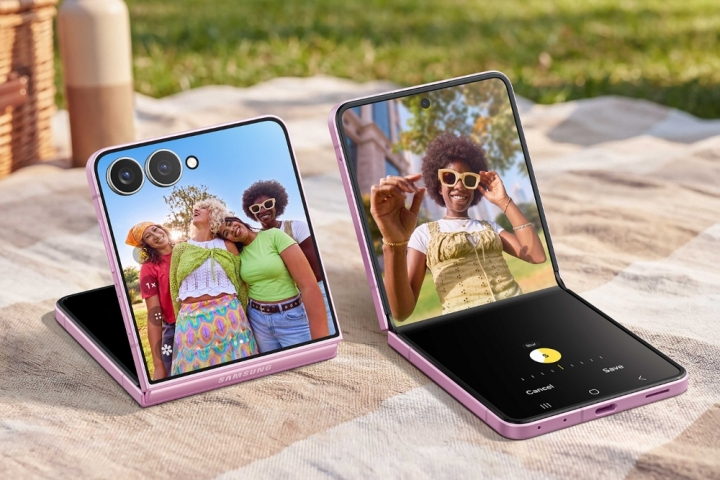
The Galaxy Z Flip8 is the least radical of Samsung’s three new foldables, but that is not necessarily a bad thing.
Samsung is sticking with the familiar clamshell design and the same basic display sizes seen on the previous generation. The main screen measures 6.9 inches, while the FlexWindow cover display measures 4.1 inches.
The inner screen uses Dynamic AMOLED 2X technology with a 1-120Hz adaptive refresh rate, while the outer Super AMOLED display supports 60Hz and 120Hz refresh rates.
The Flip8 weighs 180g and is just 6.1mm thick when unfolded, making it Samsung’s slimmest and lightest Galaxy Z Flip yet.
The biggest focus this year is therefore not a radical redesign, but the way Samsung uses the FlexWindow.
Samsung describes the Flip8’s outer screen as an AI-native interface. Now Brief can provide personalised information and recommendations directly on the FlexWindow, while Gemini Intelligence can be activated using the side key or natural voice commands.
The camera hardware is familiar, with a 50MP main camera and a 12MP ultra-wide camera on the rear, alongside a 10MP front-facing camera. Samsung has added features including Super Steady with Horizontal Lock, while FlexCam continues to let users take hands-free photos and videos at different angles.
The Flip8 is powered by Samsung’s Exynos 2600 processor and comes with 12GB of RAM, with 256GB and 512GB storage options.
It has a 4,300mAh battery, 25W wired charging, 15W wireless charging and Wireless PowerShare.
The phone also supports IP48 water and dust resistance, Android 17 and One UI 9.
In other words, the Flip8 is very much an evolution of the Flip formula. Samsung is refining the hardware and putting more emphasis on what users can actually do from the cover screen, rather than attempting to reinvent the phone.
Samsung AI gets a bigger role across the lineup
Samsung is using the new foldables to push Galaxy AI further into everyday smartphone use. Now Brief, Now Nudge and Gemini Intelligence are designed to make AI more proactive, while Gemini can automate actions across more than 40 supported apps and services. On the Fold models, Samsung is also using the larger displays for features such as Gemini Notebook and improved Split View workflows.
One UI 9 also introduces an AI Assistant Activity dashboard, giving users a central location to see AI automations running on their behalf. Samsung says its security systems, including Knox, Knox Vault and its Personal Data Engine, are designed to give users greater control over how personal data is used by AI features.