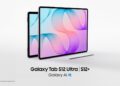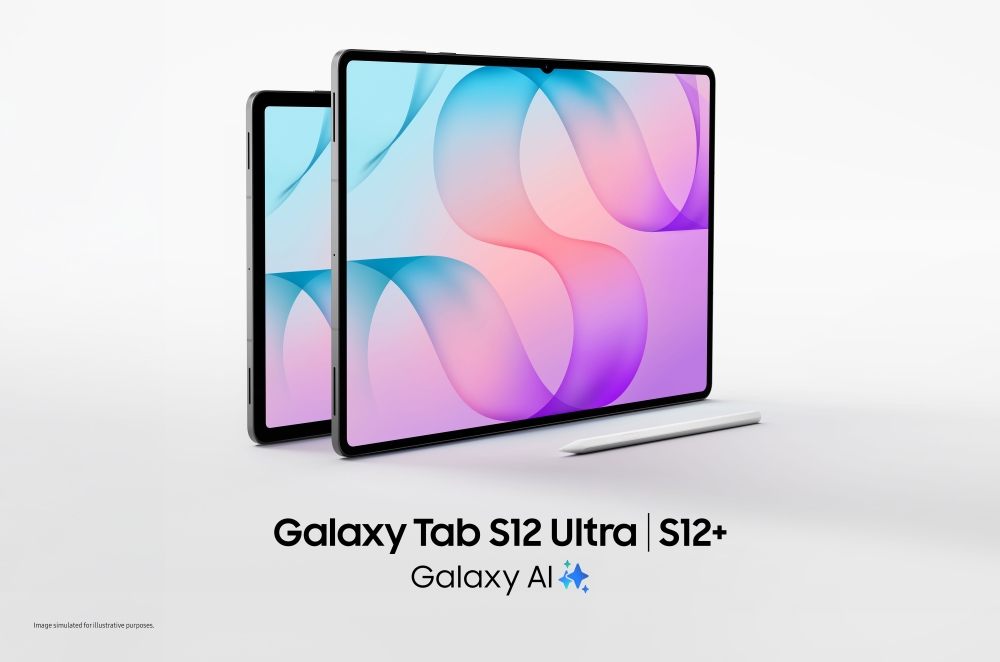
Samsung has launched the Galaxy Tab S12 series, and the company has thrown a fairly serious hardware upgrade at its latest tablets. The lineup consists of the Galaxy Tab S12 Ultra and Galaxy Tab S12+, both running Android 17 and powered by MediaTek’s Dimensity 9500. The Ultra is also just 5.1mm thick, which is the sort of number Samsung clearly expects people to mention every time the tablet comes up. There is, however, a catch: these upgrades come with higher prices, pushing the S12 series further into laptop territory. Samsung says the Tab S12 Ultra starts at $1,399.99 in the US, while the Tab S12+ starts at $1,199.99.
The new processor is built on a 3nm process, with Samsung claiming up to 19% faster CPU performance, 17% better GPU performance and a 61% improvement in NPU processing compared with the Galaxy Tab S11 Ultra. Samsung has also redesigned the cooling system with a 3D vapour chamber to help maintain performance during demanding workloads such as video editing and graphics work. These are Samsung’s own comparisons, so they should be treated as manufacturer claims rather than independent benchmark results.
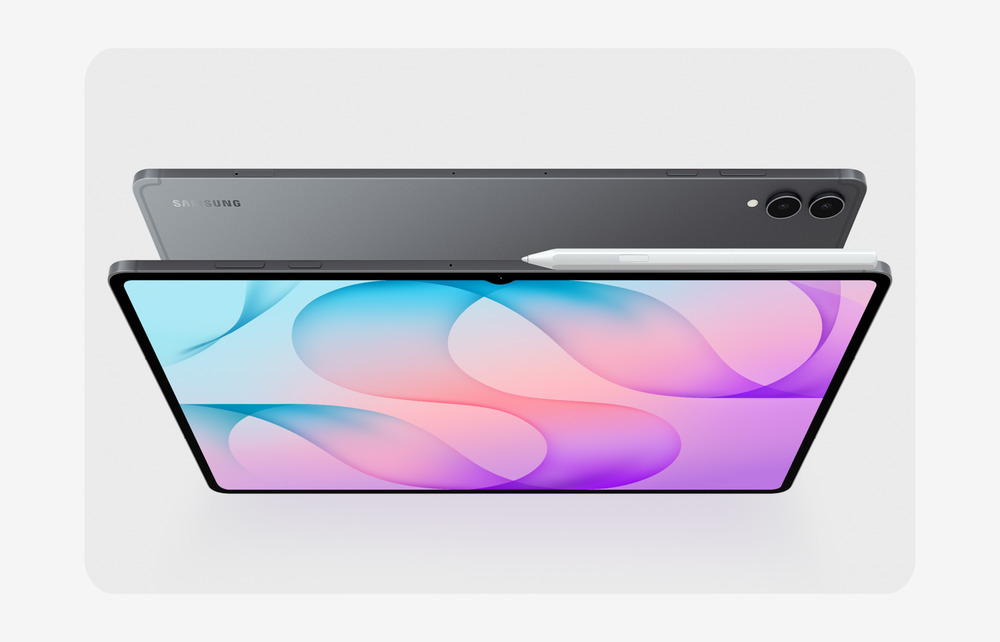
The displays remain a major part of the pitch. The Galaxy Tab S12 Ultra has a 14.6-inch Dynamic AMOLED 2X display with a 2,960 x 1,848 resolution and 120Hz refresh rate, while the S12+ gets a 12.6-inch panel with a 2,800 x 1,752 resolution and the same 120Hz refresh rate. Both can reach a claimed 1,600 nits peak brightness. The Ultra weighs 692g for the Wi-Fi model and measures just 5.1mm thick, while the S12+ is 5.3mm thick and weighs 553g.
Battery capacity is also substantial. The S12 Ultra packs an 11,600mAh battery, while the S12+ gets 10,600mAh. Both support 45W charging, with Samsung claiming around 95 minutes to go from zero to 100 percent. The Ultra also gets IP68 water and dust resistance. Samsung’s published specifications do not list an IP68 rating for the S12+.
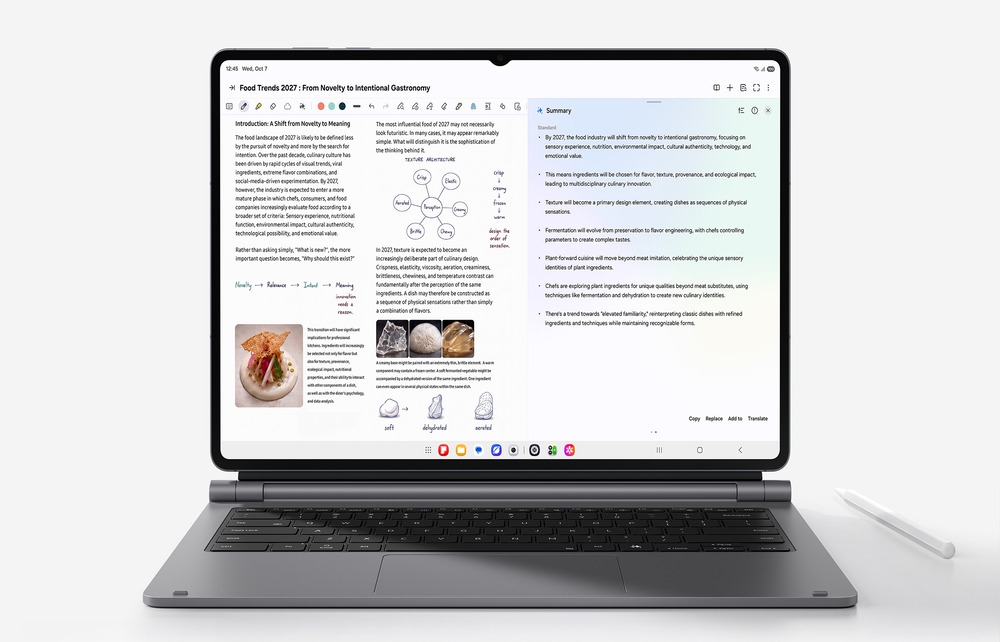
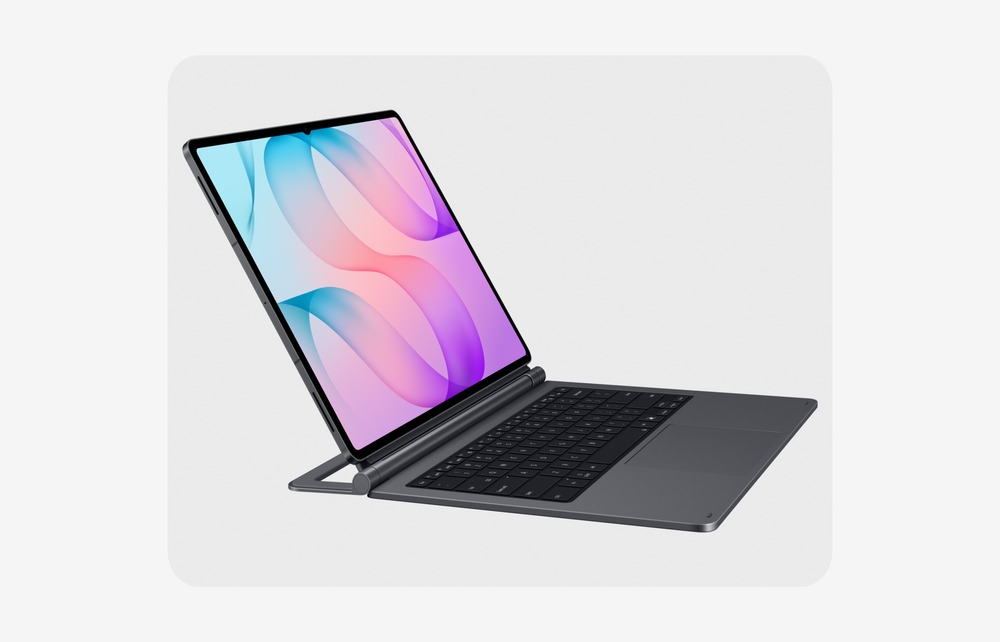
Samsung is also leaning heavily into productivity software, but this time the important part is less about listing every AI feature and more about what the tablets are actually being positioned to replace. Both models support split-screen multitasking with up to three sections, come with an S Pen in the box and support Samsung’s Pro Keyboard and Book Cover Keyboard Slim accessories. Samsung is also bundling apps and trials including Photoshop, Notability, Goodnotes and other creative and productivity tools. Some of those offers are temporary, however, meaning the free access does not necessarily continue for the life of the tablet.
The Ultra is naturally the more excessive model. It can be configured with up to 16GB of RAM and 1TB of storage, while the S12+ tops out at 12GB of RAM and 512GB storage. Both support microSD cards up to 2TB. The Ultra also gets Wi-Fi 7, compared with Wi-Fi 6E on the Plus, while both support Bluetooth 6.0 and include four-channel spatial audio.
Samsung is promising up to seven generations of OS upgrades and seven years of security updates for both tablets, which should give the S12 series a fairly long software lifespan. The tablets will start becoming available from October 7 in select markets, with Gray and Silver as the launch colours.
And that brings us back to the catch. The Galaxy Tab S12 series is more powerful, thinner and more capable than the previous generation, but Samsung is also asking buyers to spend more to get there. The S12 Ultra starts at $1,399.99 and the S12+ at $1,199.99 in the US, before you start adding the keyboard accessories that make Samsung’s laptop-replacement argument more convincing.
The hardware is impressive. The bigger question is whether the extra performance and productivity features make sense at these prices, especially when a buyer is already entering laptop money territory.